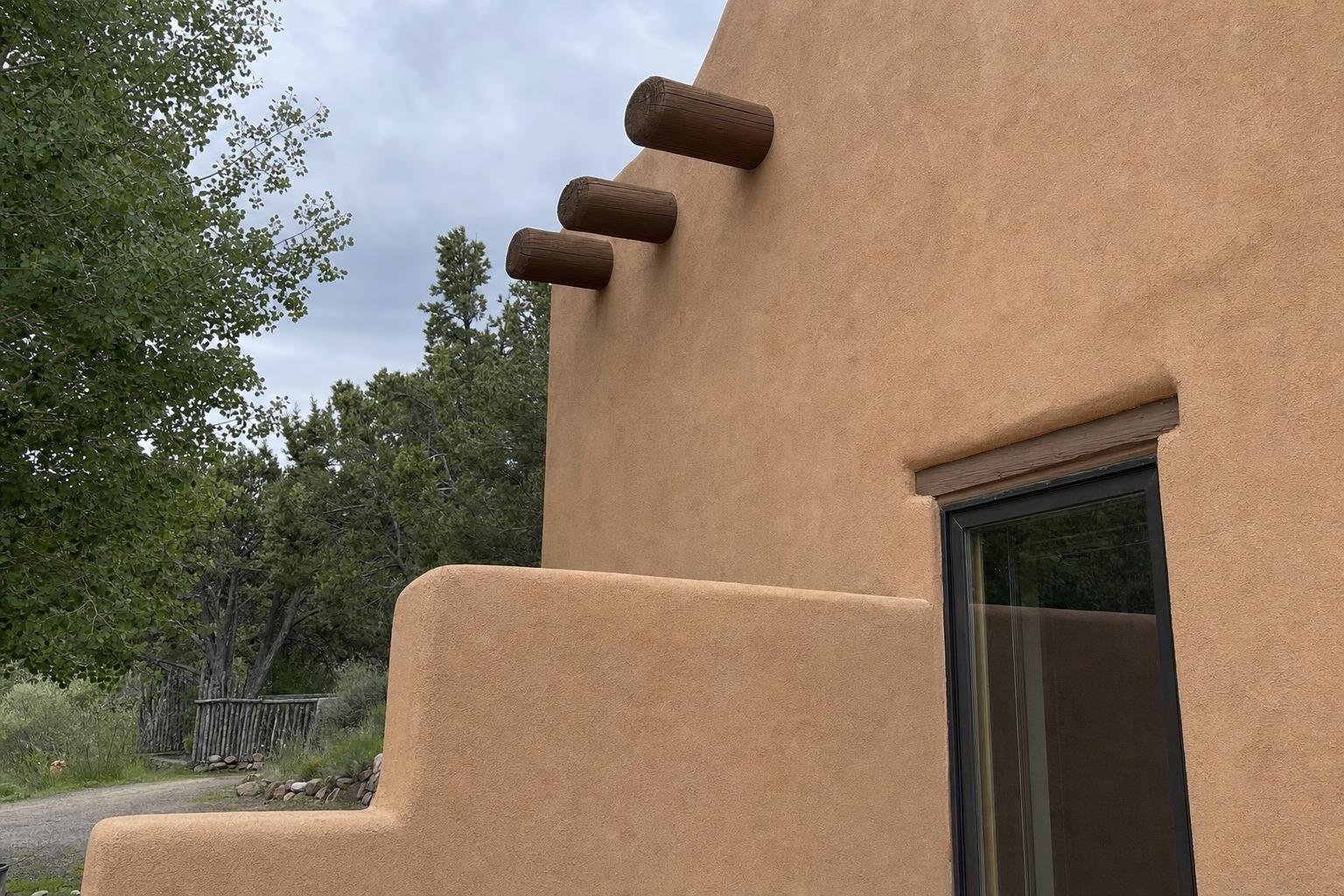
A patch or a scratch coat only works if there is sound lath under it to grip. When the lath is gone, we replace it and rebuild the layers over it.
When the lath itself is the problem
The lath is the metal screening between the sheathing and the stucco. The cement scratch coat locks into it. When it corrodes or pulls loose, the stucco has nothing to hold onto, and it can look fine for a while before it cracks, bulges, or lets go.
The usual signs are a crack that keeps coming back after it has been sealed, a bulge that was not there last year, or a hollow sound across a wide area rather than one spot. Our occasional winter freezes add freeze-thaw movement, and stucco with failed lath behind it shows that movement first, as a seam that reopens every season.
Once we open the wall, we also look at the water-resistive barrier and the sheathing behind the lath. If either has taken water, the repair grows to include them.
This work can lead into stucco resurfacing and finish matching. Looking for stucco repair in Santa Fe? See every service we offer.
Worth a read: Warning Signs You Need Stucco Repair · What Stucco Repair Costs and What Moves the Price
What the replacement involves
We cut the replacement lath so it overlaps the existing lath by at least a half inch on every side. Then we wire-tie it to the old lath with ties no more than 8 inches apart. Even a small replacement gets at least four ties.
Before anything goes over it, we inspect the new lath and the water-resistive barrier. If the barrier is damaged, we fix it first, because stucco over a bad barrier just closes the problem back into the wall. Only then do we apply the Portland-cement scratch coat, followed by the brown coat.
We cover the fresh work with polyethylene sheeting so it cures moist. That sets our schedule. We do not speed up the cure to finish sooner, and we give you a timeline once we have seen how much wall is involved.
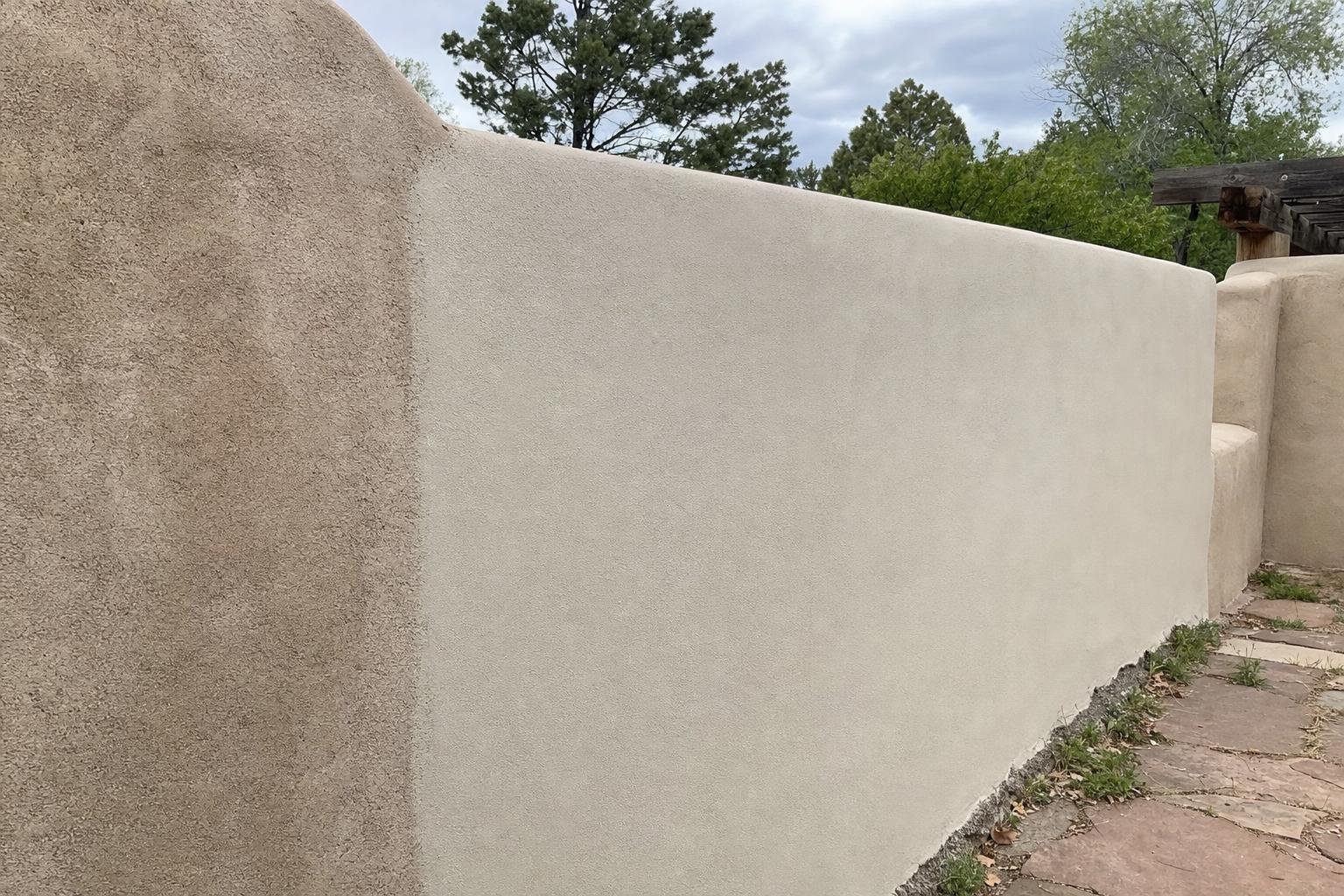
What it costs
Lath and sheathing replacement typically runs $11 to $20 per square foot, and we are glad to quote that range over the phone.
Three things move the price: how much lath has to come out, whether the sheathing underneath has rotted, and how much of the water-resistive barrier needs replacing. A small, clearly bounded patch is one price. A wall where the lath has been failing behind stucco that looks intact is another, and it can run across a whole elevation.
Any extra sheathing or barrier work shows up as its own line on the quote.
How to tell it might be the lath
You will rarely see the lath itself. What you notice is stucco that sounds dull when you knock on it, or gives slightly when you press on it. A spot that has been sealed two or three times and keeps opening is another sign. That crack is not the cause. The lath behind it has lost its grip.
If you are seeing any of this, call us. Where the problem sits on the wall and how long it has been going on are usually enough to separate a lath job from a smaller repair.
Also Available
A brief call tells us most of what we need, and you'll get a straight answer.